
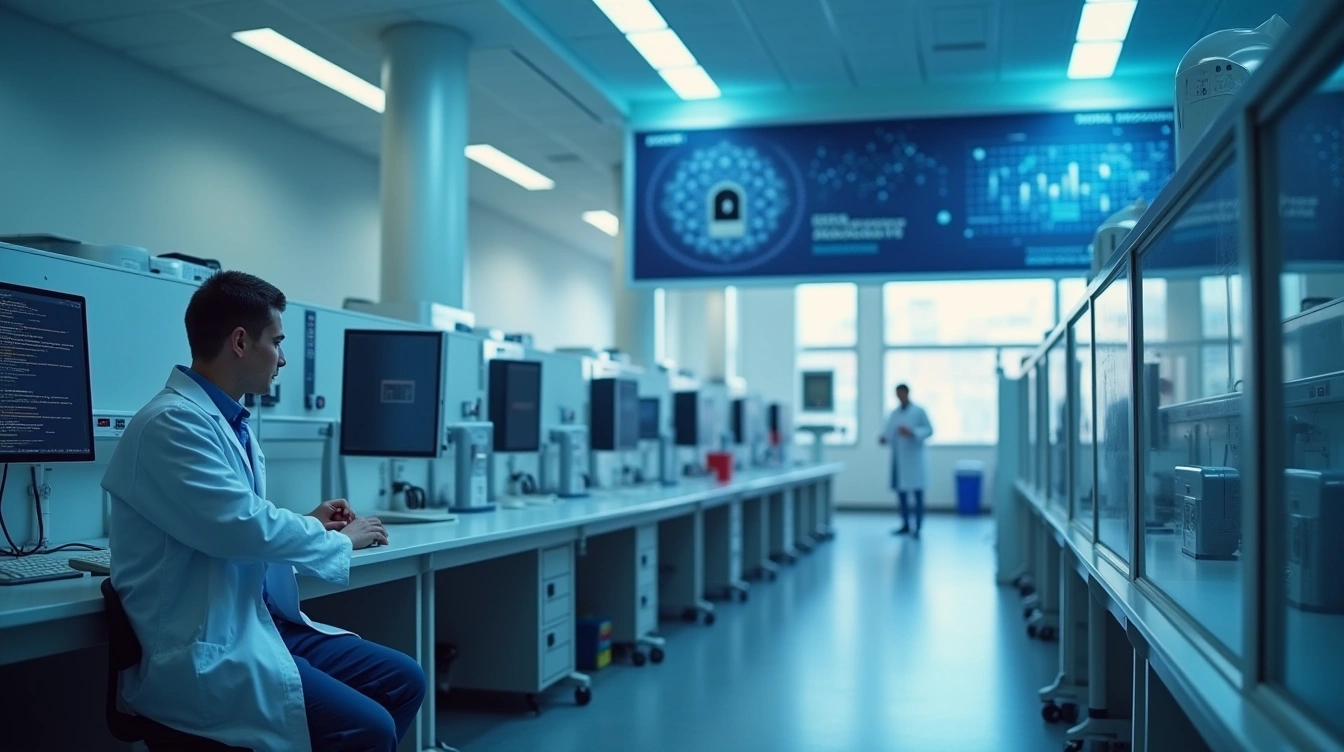
The rapidly evolving field of life sciences is at the forefront of healthcare, pharmaceuticals, and biotechnology breakthroughs. However, this progress has also led to a surge in cyber threats targeting critical systems and sensitive research data. Organizations must now navigate a landscape where data protection and confidentiality are as crucial as scientific rigor. Robust cybersecurity has become an essential foundation for any institution striving toward medical advancement or patient wellbeing.
The unique cybersecurity landscape in life sciences
Life sciences organizations encounter distinct challenges compared to other sectors. They manage large volumes of protected health information (PHI), confidential trade secrets, and intellectual property linked directly to valuable therapeutic innovations. A single breach can result in significant financial loss, reputational damage, regulatory penalties, and a decline in public trust.
A lire aussi : What are the best practices for securing a MongoDB database in a production environment?
Unlike many industries, these organizations often blend traditional IT environments with operational technology (OT) infrastructure—such as laboratory devices and manufacturing controls. This combination requires security teams to address both digital and physical vulnerabilities, ensuring the continuity of operations and patient safety at all times.
Why are life sciences particularly targeted by cyber threats?

The high-value data and proprietary knowledge held by life sciences companies attract cybercriminals, nation-state actors, and corporate spies. Assets like research datasets, clinical trial results, proprietary formulas, and genetic materials possess immense economic and strategic value. Investing in best-in-class cybersecurity for life sciences solutions is essential to protect this invaluable information from malicious attacks.
En parallèle : Transform your vision into reality with a webflow agency
Intellectual property protection becomes especially vital during the transition from discovery to market. Any disruption in this phase can impact global supply chains, delay patient access to treatments, and affect company valuation.
Threat actors and attack vectors
Various threat groups exploit weaknesses in life sciences networks. Ransomware syndicates deploy malware that halts operations and demands payment, while advanced persistent threats use spear-phishing and social engineering techniques to gain unauthorized access to user credentials and research assets.
Third-party service providers introduce additional risks if they lack strong cybersecurity assessments or do not align their policies, processes, and procedures with those of their partners. Ongoing monitoring and due diligence are critical to effective risk management in this complex environment.
Impact on innovation and compliance
A breach of data protection and confidentiality can undermine years of research, cause costly delays in product approvals, and trigger strict penalties under regulations such as HIPAA or GDPR. Regulators expect organizations to maintain rigorous risk management programs and demonstrate robust breach response capabilities.
This heightened scrutiny increases the pressure to protect not only patient identities but also the integrity of clinical results, enabling the sector to sustain trust while continuing to innovate responsibly.
Building a proactive cybersecurity strategy for life sciences
Developing comprehensive defenses involves balancing layered technologies with an adaptable organizational culture. Relying solely on firewalls or antivirus software is no longer adequate; instead, a structured approach integrates multiple elements for maximum resilience against emerging threats.
Every aspect of daily operations and emergency preparedness should contribute to a seamless, agile response when new risks arise.
- 🛡️ Conduct cybersecurity assessments regularly
- 📜 Formalize clear policies, processes, and procedures
- 🔒 Secure both traditional IT and OT systems
- 🚨 Perform breach and attack simulation exercises
- ♻️ Develop disaster recovery planning protocols
Cybersecurity assessments and ongoing vigilance
Periodic audits are the backbone of an adaptive security environment. By simulating attacks and identifying weak points, organizations can prioritize remediation efforts and measure improvements over time. Breach and attack simulation drills test staff readiness and validate technical controls.
Routine vulnerability scans, penetration testing, and third-party evaluations foster a proactive approach to risk management. These actions help ensure preparedness against both common malware and advanced, customized threats aimed at critical systems security.
Policies, procedures, and integrated cultures
Comprehensive written policies establish expectations for behavior across the organization. Well-defined processes and procedures translate these guidelines into consistent action, from researchers sharing data to engineers managing laboratory automation. Ongoing training campaigns keep employees informed about current threat tactics and their personal role in prevention.
An open culture that encourages reporting suspicious activity reduces silent failures and speeds up incident containment. Security awareness must also extend to suppliers and contractors, who require onboarding and oversight to uphold high standards of data protection and confidentiality.
Operational technology and disaster recovery in life sciences
Integrating devices and automation within laboratories and production facilities introduces specific OT cybersecurity concerns. Many OT systems operate continuously, control hazardous materials, or oversee mission-critical manufacturing tasks—making unplanned downtime unacceptable and repairs challenging.
Securing these assets involves more than patching software. Regular device inventories, network segmentation, and strict access controls minimize exposure. Continuous monitoring detects anomalies before disruptions escalate, supporting safe operation of everything from robotic arms to temperature controls.
- ⚙️ Inventory connected OT devices and identify legacy equipment
- 🔐 Use network segmentation for isolated operation zones
- 🌡️ Monitor critical systems around the clock
Disaster recovery planning essentials
Unexpected breaches, equipment failures, or natural disasters can jeopardize sensitive experiments and disrupt supply chains. Effective disaster recovery planning ensures business functions resume quickly and efficiently.
Key components include regular data backups, redundant storage solutions, and clearly defined communication protocols. Testing recovery procedures through drills familiarizes stakeholders with their roles, reducing downtime following real incidents.
Incident response and escalation processes
Every institution needs a detailed incident response plan tailored to the pace of life sciences operations. This plan should cover notification flows, forensic documentation, and post-incident analysis to improve future defense strategies.
A streamlined response helps limit harm, preserve regulatory compliance, and reassure research sponsors, investors, and patients alike.
Answers to common questions about life sciences cybersecurity
How do cyber threats affect clinical research organizations?
Clinical research organizations store highly sensitive data, including personal health records and unpublished trial results. Cyber threats may target this data to disrupt studies, steal intellectual property, or extort ransoms using ransomware. Breaches can delay projects and result in reputational and regulatory consequences.
- 💉 Jeopardized clinical outcomes
- 🎯 Stolen research findings
- ⏳ Delays in drug development pipelines
What role do policies, processes, and procedures play in life sciences cybersecurity?
Documented policies offer organization-wide guidance on acceptable behavior and baseline configurations. Strong processes and procedures enable consistent application of these rules, defining step-by-step actions for both routine and emergency situations. Together, they empower teams to respond confidently to evolving cyber threats within highly regulated environments.
- 📚 Ensure regulatory alignment
- 👩🔬 Promote best practices among personnel
- 📢 Accelerate response times when incidents occur
Why is disaster recovery planning vital for life sciences laboratories?
Unexpected events such as cyberattacks or physical disasters threaten essential laboratory data, instrumentation, and workflows. Disaster recovery planning enables faster restoration, preventing long-term disruption to experiments, preserving compliance, and protecting investments in research.
- 💾 Safeguards laboratory data integrity
- 🔋 Reduces costly downtime for labs
- 🏥 Maintains continuity of patient-facing services
How can life sciences protect both IT and operational technology (OT) environments?
Life sciences organizations must evaluate cybersecurity for both office IT and specialized OT systems, which often run unique operating systems or require continuous availability. Layered defenses, strict access controls, and ongoing monitoring help manage risks across these diverse platforms.
- 🖥️ Separate networks according to function
- 🆔 Limit administrative privileges
- ⏱️ Actively monitor for unusual device activity
| 🧬 Environment | 🔐 Key protections |
|---|---|
| IT | Antivirus, email filtering, endpoint detection |
| OT | Network segmentation, strict authentication, real-time monitoring |